
Reliable electricity, clean energy and lower carbon emissions are among the major challenges facing the modern world. As countries increase the use of solar, wind and other renewable energy sources, power systems also need to become smarter and more efficient.
Against this backdrop, Bangladeshi electrical engineer and researcher Abdullah Al Fathah is working on the use of Artificial Intelligence (AI) to build smarter energy systems that can make better decisions, use renewable energy more efficiently and help reduce carbon emissions.
His research mainly focuses on AI-driven autonomous systems, advanced prediction methods and data-based optimization techniques that can improve renewable energy integration, increase power-grid efficiency and support carbon reduction across different industries. This is also the central direction of his ongoing research work.
AI-Driven Energy Systems
Artificial intelligence is changing many areas of daily life, and the energy sector is becoming an important part of that change.
In traditional power systems, many decisions depend on fixed settings, scheduled inspections and human monitoring. AI can help these systems study large amounts of information, recognize changes and support better decisions much faster.
Fathah’s work explores a future where energy systems do not simply supply electricity. They can also monitor what is happening, predict possible problems and help find the most efficient way to use available energy.
His research combines artificial intelligence, renewable energy, smart-grid technology, energy monitoring and predictive analysis with the goal of creating more intelligent and efficient energy systems.
Making Renewable Energy More Effective
Solar and wind power are growing around the world, but using renewable energy efficiently is not always simple.
Solar energy changes depending on sunlight, while wind generation changes with weather. Electricity demand also rises and falls throughout the day. These changes can make it difficult to maintain a stable and efficient power system.
Fathah’s research looks at how AI can analyze these changing conditions and help energy systems make better decisions.
For example, an intelligent system could study how much renewable electricity is being produced, how much electricity people or industries need and how the power grid is performing. It could then help determine how energy should be used or distributed more efficiently.
The larger goal is to make renewable energy easier to integrate into existing power systems without sacrificing reliability.
Predicting Problems Before They Happen
Another important part of Fathah’s research is using AI to recognize problems before they become serious.
Instead of waiting for electrical equipment to fail, intelligent monitoring systems can study operating information and identify unusual changes early.
Fathah has previously worked on AI and Internet of Things-based research for predicting equipment problems in smart power grids. His work looks at how these technologies can reduce energy loss and improve reliability.
This research is also connected with his professional career.
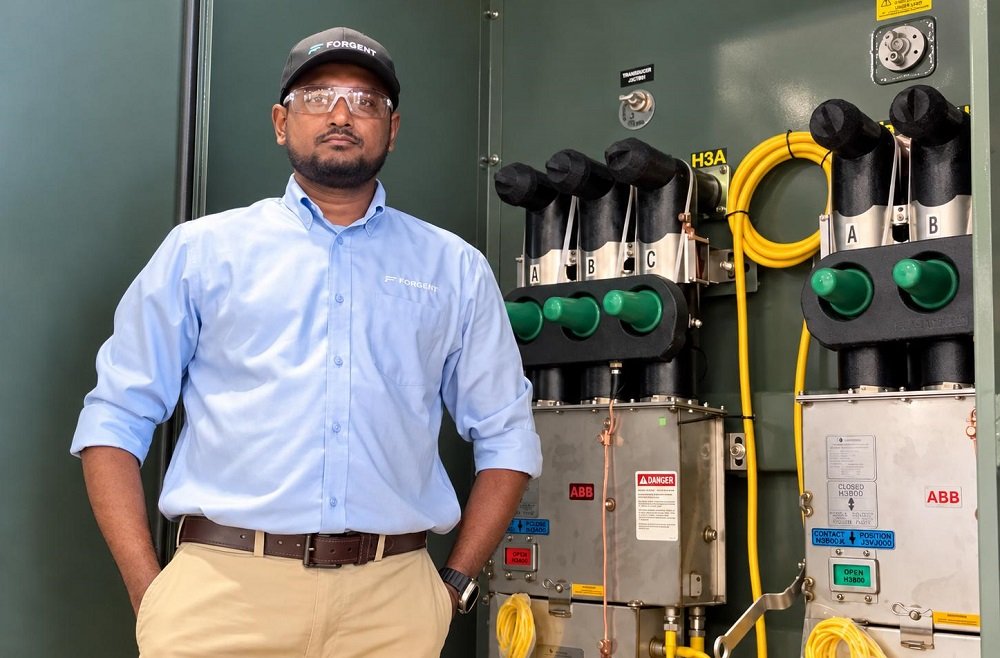
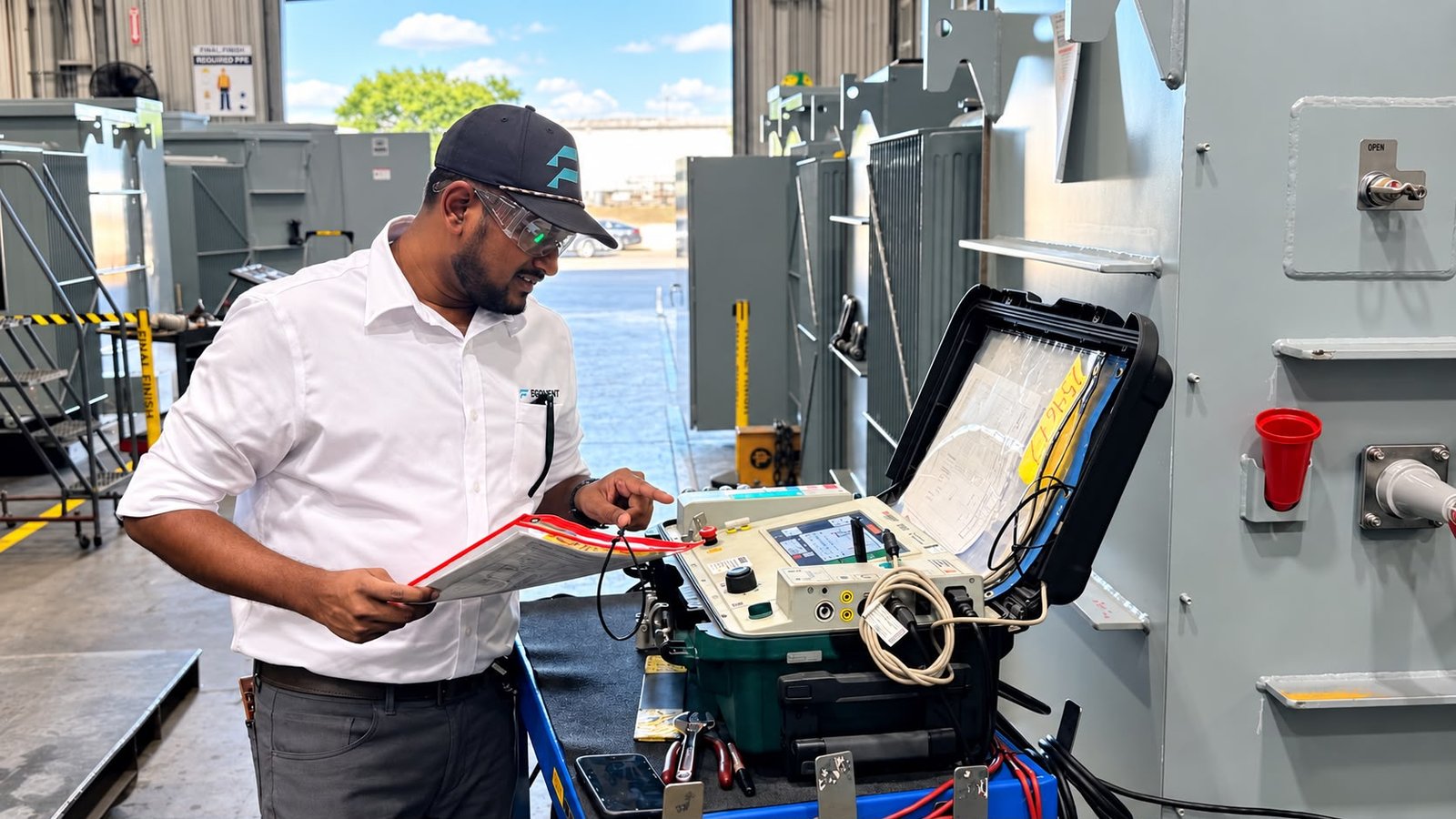
Fathah currently works in Waco, Texas, with the VanTran transformer business of Forgent Power Solutions, where he is involved in medium-voltage transformer applications. His work in the transformer industry gives him practical experience with equipment that is an important part of modern power systems.
His latest research also applies AI-based predictive maintenance to power transformers. However, transformer technology is only one practical area of his broader work. His main research vision extends to renewable energy, power grids, industries and other energy systems.
Using Data to Reduce Carbon Emissions
Reducing carbon emissions while meeting the world’s growing energy demand is another major challenge.
Fathah’s research explores how large amounts of energy information can be used to understand where energy is being wasted and how systems can operate more efficiently.
The idea is simple: the better a system understands how energy is being produced and used, the better it can manage that energy.
Through AI and data analysis, energy systems can identify inefficient operations, improve the use of renewable energy and help industries find ways to lower their energy consumption.
His research considers applications across several sectors, including power generation, manufacturing, transportation, renewable-energy projects and other energy-intensive industries.
Buildings That Can Produce Their Own Energy
Fathah has also worked on research involving solar energy integrated directly into buildings.
Known as Building-Integrated Photovoltaics, the idea is to make parts of buildings, such as roofs or exterior surfaces, capable of producing electricity from sunlight.
His published work has explored how these technologies can help turn buildings from simple energy users into energy producers.
This research is connected to his broader vision of future cities where buildings, renewable-energy systems and intelligent power networks work together to produce and manage electricity more efficiently. His research record includes work in renewable-energy integration, smart-grid security, carbon reduction and advanced solar-energy technologies.
Research Beyond One Country
Although Fathah currently lives and works in the United States, the challenges addressed by his research are global.
Countries around the world are trying to meet growing electricity demand while reducing dependence on fossil fuels and increasing renewable-energy use.
Developed countries are modernizing older power grids, while developing countries are trying to expand electricity infrastructure to support growing populations and industries.
Both need smarter and more efficient energy systems.
Fathah’s work therefore focuses on solutions that are not limited to one company, one type of equipment or one country. His research aims to use AI and data-driven technologies to improve renewable-energy integration, energy efficiency and carbon reduction across different industries and regions.
For countries like Bangladesh, where electricity demand and industrial development continue to grow, such technologies could also become increasingly important in the future.
Recognition Through Research
Over the years, Fathah has carried out research in several areas of electrical engineering, including AI-based predictive maintenance, smart-grid security, renewable energy, solar technology and carbon reduction.
His published research has also been cited by researchers working in related areas, showing that his work is being used and discussed within the international research community.
He earned his graduate degree in Electrical Engineering from Lamar University in Texas and continues to combine academic research with practical experience in the electrical power industry.
A New Horizon for the Future of Energy
Fathah’s long-term goal is to help develop energy systems that can predict, learn and optimize.
Instead of simply responding after a problem occurs, future systems could recognize risks earlier. Instead of wasting available renewable energy, they could determine how to use it more effectively. And instead of relying completely on manual decisions, intelligent systems could support engineers with faster and better information.
His research vision is centered on developing AI-driven autonomous energy systems that improve renewable-energy efficiency, strengthen the reliability of power systems and support carbon reduction across industries worldwide.
As the world moves toward cleaner energy, the combination of artificial intelligence and electrical engineering could play an important role in creating a future where energy is not only cleaner, but also smarter, safer and more reliable for everyone.
“Although I am working in the United States, the challenges I am studying are global. I hope my research can contribute to cleaner, more reliable, and more efficient energy systems in both developed and developing countries, including Bangladesh.”